
Most people who say they don’t like oud have only smelled one version of it, usually the loudest one, usually once.
That single encounter is doing a lot of damage to a material that has been valued for over a thousand years. Oud is not one smell. It is a category, and the version that overwhelmed you in a department store is one interpretation among many.
Oud is a rich, smoky, and deeply woody fragrance drawn from the resinous heartwood of the tropical Aquilaria tree. Often described as “liquid gold,” authentic oud is among the world’s most coveted natural ingredients, prized for its intricate layers, rare origins, and extraordinary longevity.
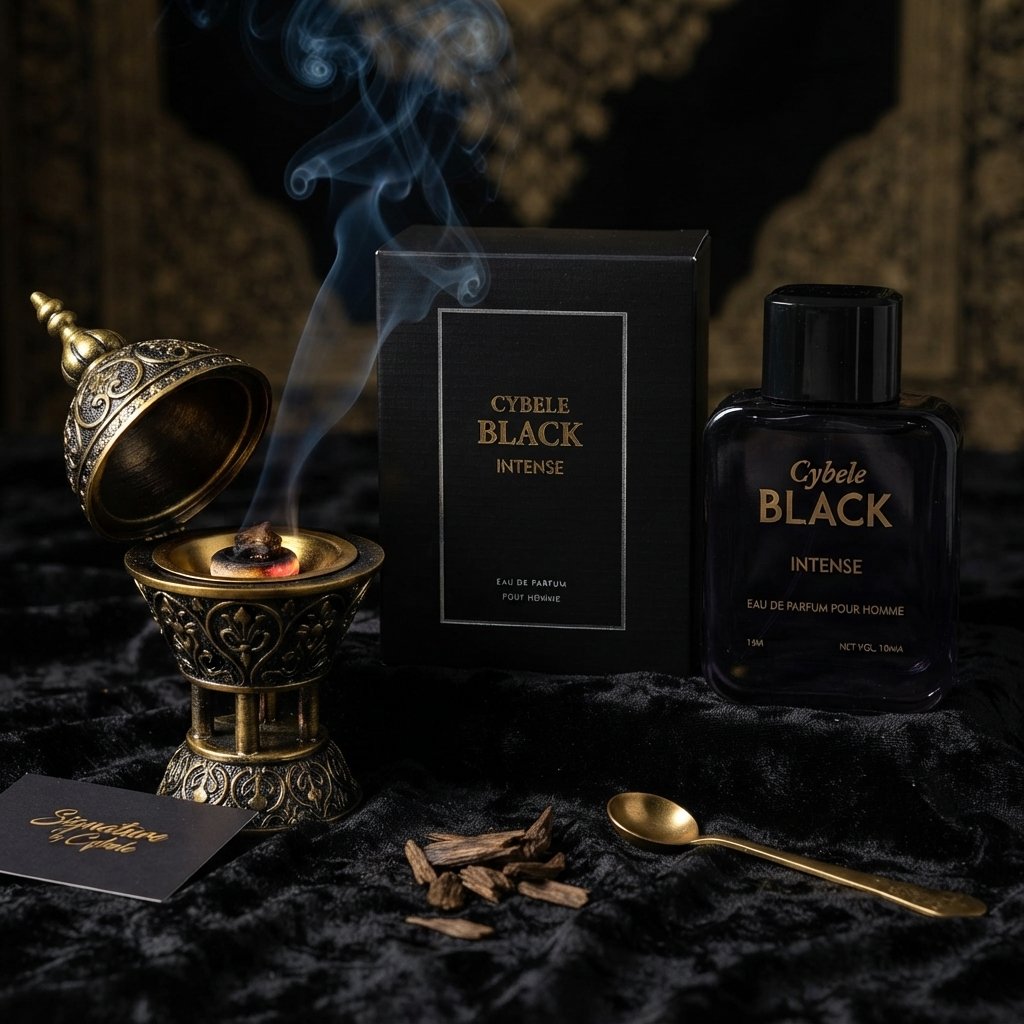
Oud wood, or agarwood, is a fragrant oil that develops inside tropical trees only after they are infected by a specific fungus. Healthy trees never produce it. A tree might need twenty to thirty years of that infection before it holds enough resin to harvest.
That scarcity is the whole story behind the price. Wild agarwood has been over-harvested for decades and is now endangered across most of its native range, so most of what reaches the market today is plantation-grown, still slow and labor-heavy to process. High-grade natural oud oil can cost more per gram than gold.
Most fragrances that list “oud” on the box do not use the real thing at that price point. They lean on synthetic oud accords, built to recreate parts of the character without the cost. That is not a downgrade so much as a different material doing a related job.
Traditional Middle Eastern oud is woody, smoky, and animalic, with a leather and barnyard depth that Western noses often find difficult on first contact. In the Gulf, this is the version worn close and loved precisely for its intensity.
Western fragrance houses softened that profile when they started working with oud in the early 2000s, building it into rose, amber, and vanilla compositions instead of letting it stand alone.
African Wood works this way, too: oud sits inside saffron, nutmeg, and musk rather than carrying the fragrance on its own, which is why people who think they dislike oud often wear something like it without realizing.
This is the entry point if traditional oud has put you off before. A blended oud, where the material is one voice in a chord rather than the whole performance, gives you the depth without the wall of intensity.
If you want to know whether you actually like oud, before committing to a heavier bottle, this is the honest place to test the question.
Signature by Cybele · Scent Finder
Not your character. Not your calendar. Just you — how you move, what you're drawn to, how you want to be remembered in a room. Answer honestly and we'll find the notes that are already yours.
10 questions · about 2 minutes
Go with your gut on each one — the first answer is usually the true one.
Almost there
One last thing — what's your name?
We'll use it to personalise your signature scent.
Heat changes oud notes more than almost any other material. In Lagos humidity, a fragrance that smells balanced indoors in the morning can turn loud by midday, so apply sparingly and keep it to covered skin: the inner wrist under a sleeve, the center of the chest.
Harmattan is genuinely the season of oud here. The dry air lets the base notes open the way they were built to, slowly and without amplification, which is also part of why oud reads best in the evening and in cooler rooms generally.
The people who end up loving oud are not the ones with tougher noses. They are the ones who tried a second bottle instead of writing off the whole category from the first one. Some part of you might already be one of them.