
Most people think a stronger concentration automatically means a better fragrance. They reach for the “parfum” label, expecting double the longevity, and end up confused when their EDT lasts longer on a hot afternoon.
Concentration shapes longevity, projection, texture, pricing, and the entire wearing experience, but stronger does not always mean better.
The best concentration depends on climate, skin chemistry, and what you actually need from the bottle. This guide walks the full ladder, from the lightest splash to the densest extrait, and explains where each one earns its place.
Perfume concentration is the percentage of aromatic oils diluted into alcohol, water, or carrier oils. The label on the bottle (Eau Fraîche, Cologne, EDT, EDP, Parfum) tells you roughly where the formula sits on that scale.
Higher oil percentage usually means longer wear, but the relationship is not linear. Alcohol-heavy structures project loudly in the first hour. Oil-heavy structures wear quietly and last longer. A 25% extrait can feel softer than a 10% EDT for the first 30 minutes, then outlast it by eight hours.
Stronger concentration does not guarantee stronger projection. A dense extract packs more material into a smaller volume, but the reduced alcohol slows the molecular diffusion that creates a “loud” fragrance. Composition matters as much as percentage. Ingredient volatility, base-note weight, and formula structure all shape what you smell after spraying one.
Higher concentrations feel denser and smoother on the skin.
The reduced alcohol takes the sharp edge off the opening, and the heavier oil content adds a tactile quality you can almost feel through the scent itself.
Lower concentrations feel brighter and more airy. The higher alcohol ratio creates that sharp, lifted opening burst that defines a citrus cologne or a fresh EDT. Neither feel is better. They are different experiences, designed for different moments.
Eau Fraîche sits at the bottom of the concentration ladder, with 1% to 3% fragrance oil in a high-water dilution. It prioritizes freshness over staying power.
The high-water structure makes Eau Fraîche feel like a scented mist rather than a perfume. There is almost no alcohol bite. The fragrance lifts off in the first hour and fades to almost nothing within two to three. That is the format working as designed, not failing.
Best use cases:
Eau Fraîche is not the same as a body mist, though the line blurs in marketing. Body mists usually contain even less fragrance oil and are perfumed primarily for cosmetic appeal.
A true Eau Fraîche follows actual perfume structure with top, middle, and base notes, just in a more diluted form. Versace Eau Fraîche is a well-known example that walks the line.
If you live in Lagos, Mumbai, or Bangkok, this concentration earns its place during the hottest months when even an EDT feels heavy on the skin.
Eau de Cologne typically contains 2% to 5% fragrance oil and emphasizes citrus, aromatic herbs, and short, sharp projection.
The category started in 18th-century Cologne, Germany, with the original Eau de Cologne by Johann Maria Farina, a blend of citrus and herbal notes that became the template for the whole category. Modern colognes like 4711, Acqua di Parma Colonia, and Atelier Cologne’s Cologne Absolues still trace back to that formula even as they evolve it.
The word “cologne” gets misused in everyday English. In North America, people use “cologne” to mean any men’s fragrance, regardless of concentration.
That usage has nothing to do with the actual Eau de Cologne format. A men’s EDP is not a cologne. A men’s EDT is not a cologne. Only an actual Eau de Cologne, at that specific concentration range, is one.
Best use cases:
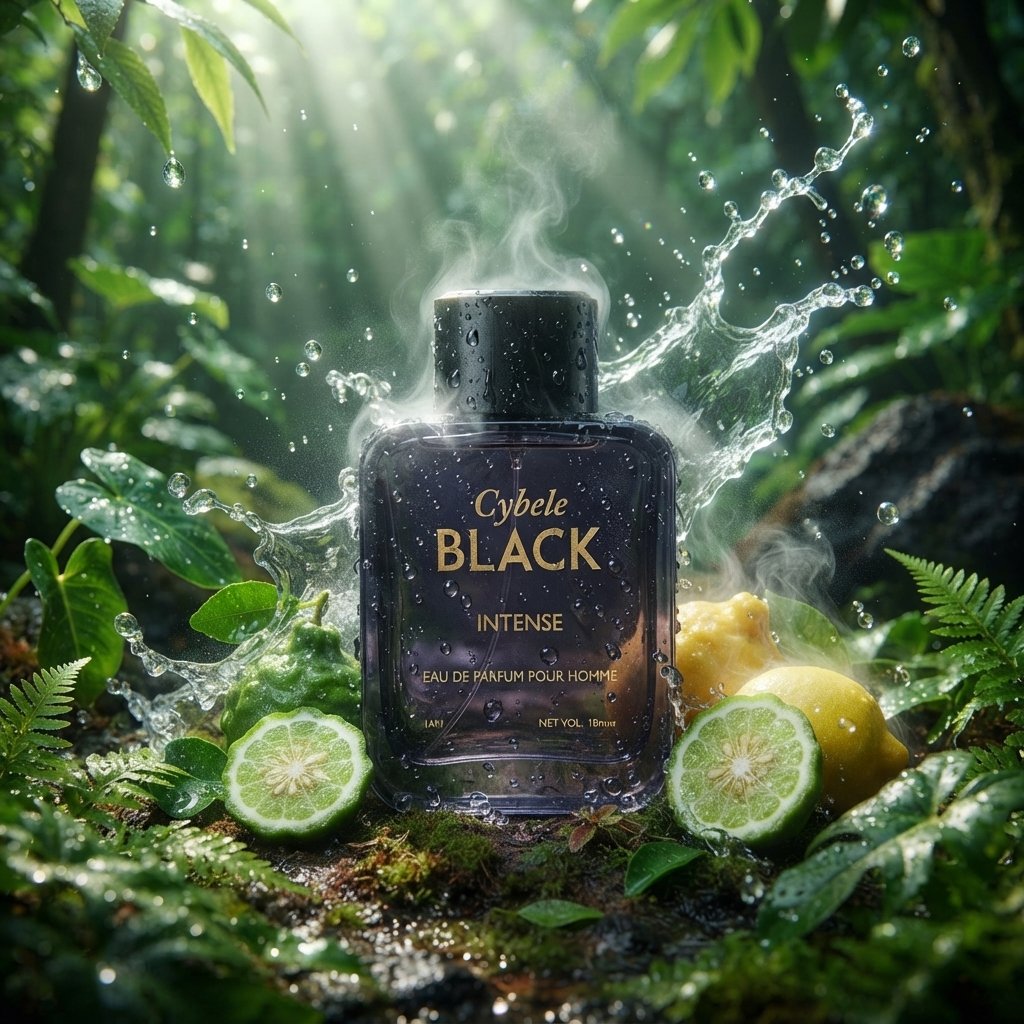
Citrus molecules like limonene, linalool, and bergamol are highly volatile by nature. They flash off the skin within the first hour regardless of concentration.
Combined with the low oil percentage of a true cologne, the result is a fragrance built for impact and disappearance.
Eau de Cologne culture historically built reapplication into the day. In southern Europe, a midday cologne refresh after lunch was as routine as a coffee. The format was never designed to last 12 hours. Treating it like an EDP fails the format on its own terms.
Eau de Toilette holds 5% to 15% fragrance oil and balances freshness, projection, and affordability for everyday wear.
The alcohol-heavy structure boosts opening projection, which is why a well-built EDT can outproject a same-priced EDP for the first 30 minutes. After that opening burst, the lighter oil load means the dry-down arrives sooner, and the fragrance settles closer to the skin.
EDT works well for:
Many designer fresh fragrances launch in EDT format because the materials themselves are volatile.
Yves Saint Laurent Y EDT, Dior Eau Sauvage, and Acqua di Parma Colonia all keep their brightness because the EDT structure preserves what makes them work. Putting these into an EDP often weighs them down.
The myth that EDT is “cheap perfume” comes from people seeing the lower price tag on flanker releases and assuming it must be a weaker formula overall. That logic skips the fact that EDT is a deliberate choice for certain compositions, not a downgrade.
EDT projects strongly at first and fades faster than EDP. The strong opening burst happens because the alcohol carries the volatile top notes into the air aggressively.
The faster dry-down happens because there is less fragrance oil overall to extend the wear.
EDT also tends to smell sharper than EDP, especially in the opening. The lower oil content means fewer of the softer base notes are present to round off the citrus or herbal opening, so what you smell first is the most volatile, brightest material in the formula.
Eau de Parfum sits at 15% to 20% fragrance oil and offers the most versatile balance between longevity, projection, and richness.
Higher oil concentration slows evaporation, which extends the wear and smooths the transitions between top, middle, and base notes. The opening still has presence, but it does not flash off in 20 minutes. The heart sits longer. The dry-down arrives gracefully instead of suddenly.
EDP works for:
Most modern designers and niche houses now lead with EDP for new releases. Tom Ford Tobacco Vanille, Maison Francis Kurkdjian Baccarat Rouge 540, and Signature by Cybele’s Flordessy and Cybele Blue Intense all sit in this range. The market has shifted because buyers learned to read the label and value the staying power.
Higher concentration sometimes reduces the “sparkle” of a fragrance. Dense compositions move more slowly through the air.
A heavy gourmand EDP or an oud-based EDP can feel more intimate than a citrus EDT, despite having more oil in the bottle.
Ingredient structure matters more than the percentage alone. An EDP loaded with heavy musks, resins, and ambers will read as warm and close-in. An EDT loaded with sharp aromatics and citrus will read as loud and lifted, even with less raw material in the bottle.
Parfum and Extrait de Parfum sit at the top of the concentration ladder, with 20% to 40% fragrance oil. This is where pricing climbs sharply, and where the wearing experience changes most dramatically.
The reduced alcohol content takes the sharpness out of the opening entirely. An extrait often opens smooth, almost balm-like, with the heart and base notes already audible from the first spray. It unfolds slowly, sometimes over six to eight hours, before settling into a skin scent that can last 12 hours or more.
Best use cases:
Pricing climbs because ingredient costs scale with concentration.
A 50ml extrait often contains the raw material equivalent of two or three EDP bottles. Niche houses like Roja Parfums, Areej Le Doré, and Bogue Profumo work primarily in this range.
The biggest myth around extrait is that it always projects the loudest. It usually does the opposite. The dense oil structure keeps the fragrance close to the skin in exchange for longer wear.
Dense oil concentration reduces explosive projection. There is less alcohol to carry the fragrance into the air, and the heavier molecular weight of the base notes means slower diffusion.
The result is an intimate scent trail that rewards proximity instead of broadcasting outward.
Extrait shares this quality with perfume oils. Both prioritize close-wear longevity over loud projection. The difference is in structure.
Extrait still uses alcohol, just less of it. Perfume oils replace alcohol entirely with a carrier oil base.
The right concentration depends more on context than on strength alone. Most people pick wrong because they default to “what is strongest” instead of “what fits where I wear scent.”
A quick decision framework:
Overspraying is the most common mistake across all concentrations, especially with stronger formats. Three sprays of a well-built EDP are plenty.
Two sprays of an extrait is the cap. People who over-apply usually do it because they have gone nose-blind to their own fragrance, not because the fragrance is actually weak.
Perfume concentrations create different scent experiences, not just different strength levels.
Choosing the right one is really about matching projection, longevity, and texture to your lifestyle and the climate you actually live in.
In a hot, humid place, a well-chosen EDT or Eau Fraîche will outperform a heavy extrait every time, simply because heat amplifies everything and the heavier formats become exhausting. In cooler air, the ladder reverses. Pick the rung that fits the day, not the most expensive one in the store.